BY OLUFEMI OGUNYEJO
At the heart of the resounding success of the 2026 World Egungun Festival stands a leadership synergy that deserves more than a passing mention; it commands acknowledgement.
The unwavering belief of the executive governor of Oyo State, His Excellency, Engr Abiodun Seyi Makinde, in the delivery capacity of his honourable commissioner proved decisive.
By entrusting the vision to Dr Wasiu Adewale Olatubosun and granting him the latitude to execute, His Excellency demonstrated rare administrative confidence and foresight.
This confidence was publicly affirmed at the grand finale by the governor’s representative, the secretary to the state government, Prof. Musibau Babatunde, who conveyed the governor’s satisfaction and pride in the commissioner’s performance and the global resonance the festival has now attained.
That trust found expression in the unmistakable energy of the commissioner, vibrant, strategic, and relentless. It was not the routine energy of administration; it was the driving force of a visionary determined to transform culture into a movement.
From conception to execution, Dr Olatubosun infused the festival with passion, precision, and purpose, ensuring that every segment bore the stamp of excellence.
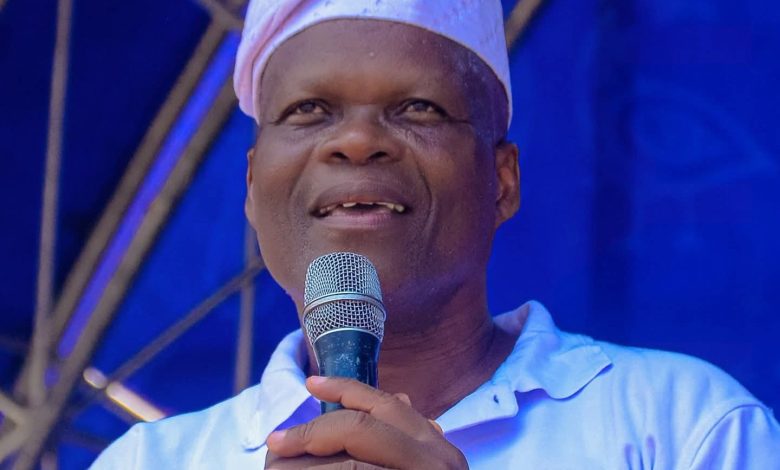
Indeed, Dr Wasiu Adewale Olatubosun emerges not merely as a public servant but as a man who understands the weight of responsibility that comes with his office and the cultural mandate of his ministry.
He is a leader connected not only to the corridors of power but also deeply rooted in the grassroots, a rare duality that fuels authentic cultural mobilisation.
A mobiliser of people, ideas, and institutions, he stands out as a leader of distinction and class, one who remains undistracted by noise or negative commentary, focused instead on outcomes and impact.
His ability to convene “who is who” across cultural, professional, and social strata became evident in the sheer diversity of participants at the festival. From cultural custodians to corporate stakeholders, from indigenous associations to international observers, he successfully brought together a broad spectrum of society under one cultural umbrella. In doing so, he has redefined Egungun beyond the limiting myth of deity, repositioning it as a dynamic cultural heritage, an instrument of identity, education, tourism, and global diplomacy.
Held at the iconic Obafemi Awolowo Stadium on Saturday, May 2, 2026, the grand finale did far more than entertain; it announced to the world the emergence of Dr Olatubosun as a rising global cultural phenomenon.
The historic venue, long regarded as a symbol of post-independence pride and one of Africa’s earliest modern stadiums, provided a powerful backdrop where history met contemporary cultural expression. Its transformation into a theatre of heritage elevated the festival into a historic milestone.
The atmosphere was electric, an intoxicating blend of excitement, merriment, funfair, and celebration. It was truly a festival of colour and candour, drawing an extraordinary mix of participants: cultural bodies, trade associations, professional groups, indigenous institutions, social networks, pressure groups, and elite circles from across Nigeria and beyond.
From Isokan Ile Yoruba to Egbe Alaso Ofi, from tourism stakeholders like NANTA to cultural groups such as OPC and the Foresters, the arena became a living mosaic of identity and unity. Their presence underscored the inclusive and global appeal of the festival.
The parade of masquerades electrified the audience. From Apake Igbeti to Egungun Badagry, from Eegun Edo to Ajangila, each performance was a living narrative, bridging ancestral memory with modern artistic expression.
The competitive recognitions added brilliance and excitement:
Most Colourful Egungun: Shaki
Most Spectacular Egungun: Ibadan
Most Creative Egungun: Amuwo Odofin, Lagos
Equally compelling was the participation of associations whose vibrancy brought human colour to the spectacle:
Most Populous Association: Nigerian Union of Pensioners
Most Colourful Association: APWECON
Most Glamorous Association: NBHH
In the words of a representative of the Nigerian Union of Pensioners, “This is more than a festival; it is a reunion of identity. We feel seen, valued, and celebrated.” A young attendee from Lagos remarked, “I came out of curiosity, but I am leaving with pride in my heritage.” An international observer from the British High Commission noted that “the festival is a compelling model of how culture can drive diplomacy and global engagement.”
The cultural prestige of the event was further elevated by royal presence. The Olubadan of Ibadan was represented by Oba Amidu Ajibade alongside a distinguished council of high chiefs, lending traditional authority and spiritual depth to the occasion.
Special recognitions and accolades were also extended to individuals and organisations that have contributed to cultural preservation and promotion, further reinforcing the festival’s role as both a celebratory and honouring platform.
Cultural ambassadors, creative artists, and institutional stakeholders received commendations for their roles in sustaining heritage.
Adding musical grandeur to the festival was Rasidi Apala, whose modernised and reformed classical Apala music infused the arena with rhythm, colour, and glamour.
His performance was more than entertainment; it was cultural storytelling reimagined, seamlessly blending tradition with contemporary appeal and captivating audiences across generations.
Beyond its visual and artistic splendour, the festival proved to be an economic powerhouse. Hotels filled to capacity, transport services thrived, and local traders in textiles, crafts, and cuisine recorded significant patronage.
Culture, once seen merely as heritage, was boldly affirmed as capital, driving tourism, creating jobs, and strengthening the creative economy.
Yet, perhaps its most profound achievement lay in its power to unify. It dissolved barriers of age, class, profession, and geography.
Pensioners danced alongside youth groups, elites mingled freely with grassroots participants, and international visitors shared in indigenous expressions. It was not just a festival; it was a statement of unity and shared identity.
The seamless execution of the event, from logistics to artistic direction, from security coordination to timing, reflected meticulous planning and refined organisation.
Every detail bore the unmistakable imprint of intentional leadership.
In the final analysis, the Grand Finale of the 2026 World Egungun Festival did more than entertain; it firmly positioned Dr Wasiu Adewale Olatubosun as a global cultural phenomenon, a custodian of heritage whose vision has transcended borders.
What he has curated is no longer just a festival; it is a movement.
The World Egungun Festival now stands as a beacon of African heritage, projecting Yoruba culture onto the world stage with pride, dignity, and renewed relevance.
In Ibadan, history was not merely remembered; it was performed, celebrated, and released to the world.