Alausa: FG has invested N250bn in medical education, backed robotic surgery training

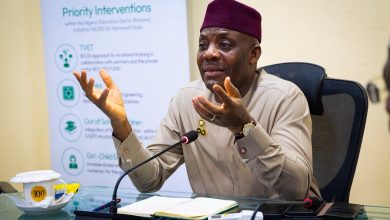
Tunji Alausa, minister of education, says President Bola Tinubu’s administration is committed to human capital development under the renewed hope agenda.
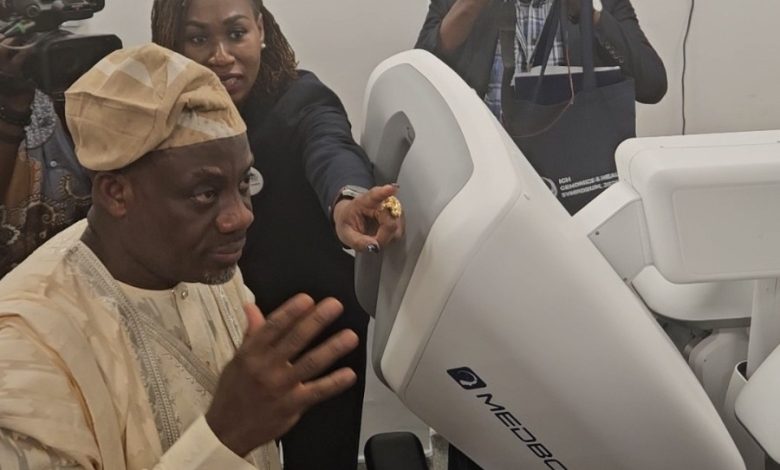
Alausa spoke at the launch of Redeemer’s Health Village (RHV) RoboMed Robotics Academy and the of unveiling of robotic surgery programme in Redemption City, Ogun State, on Thursday.
He described the launch of the academy as a significant step towards preparing Nigerian medical professionals for the future of healthcare.
Alausa said the initiative would expand access to advanced specialist training within Nigeria, strengthen local expertise and create opportunities for Nigerian surgeons to acquire emerging surgical skills without having to leave the country.
He noted that the development reflects the renewed hope agenda’s emphasis on developing the capacity of Nigerians to drive national progress.
He added that a stronger education system must equip professionals with the knowledge, practical skills and technological competence required to meet the country’s evolving needs.
The minister commended Tinubu for his leadership and sustained support for the education sector, stressing that investments in skills development, institutional capacity and quality training are essential to building a prosperous nation.
Alausa disclosed that over N250 billion had been invested in medical education to strengthen the capacity of medical institutions to prepare professionals for Nigeria’s healthcare needs in an increasingly technology-driven world.
He said the investment covers the provision of medical simulation laboratories and the rehabilitation of facilities, including hostels, across more than 24 medical schools in the country.
He noted that government investment must be complemented by private sector participation and professional expertise from the diaspora to expand opportunities for specialised training and improve the quality of education and clinical practice.
The minister described the RHV RoboMed Robotics Academy as an example of how collaboration between private enterprise, educational institutions and clinical professionals can translate investment in technology into meaningful human capital development.
He emphasised that advanced medical equipment delivers its greatest value when professionals are adequately trained to use it competently, responsibly and in the best interests of patients.
He called for stronger partnerships among universities, teaching hospitals, specialist training institutions and private sector organisations to promote practical learning, joint research, faculty development and exposure to emerging surgical techniques.
Alausa also highlighted the federal ministry of education’s BRIDGE programme, which stands for bridging research, innovation, development and global engagement, being advanced in collaboration with the Tertiary Education Trust Fund (TETFund).
He said the programme provides a structured platform for Nigerian professionals in the diaspora to contribute to national development through teaching, research, mentorship and institutional capacity building.
He encouraged Nigerian surgeons, medical educators, researchers and other professionals abroad to register on the ministry’s BRIDGE portal and support local institutions through specialist mentorship, curriculum development and collaborative research.
The minister further urged the Academy to work closely with the National Postgraduate Medical College of Nigeria, relevant professional bodies and teaching institutions to develop structured training pathways supported by appropriate approvals, supervised practice, assessment and continuing professional development.
He stressed that patient safety must remain central to the adoption of robotic-assisted surgery, noting that technological advancement must be matched by clinical competence, sound judgement, ethical responsibility and compassionate care.
Addressing surgeons and trainees expected to benefit from the academy, Alausa urged them to approach their training with discipline and humility, develop their skills responsibly and share their knowledge with colleagues. He said access to modern training and meaningful professional development could make careers in Nigeria more rewarding while strengthening the country’s capacity to retain and develop highly skilled professionals.
Adedamola Dada, chief executive officer of Redeemer’s Health Village, said the establishment of the Robotics Academy and the introduction of the robotic surgery programme represented a major investment in Nigeria’s medical technology and workforce development.
He said the initiative would build local capacity in robotics, artificial intelligence, automation, biomedical engineering and robotic-assisted healthcare, while providing opportunities for students, healthcare professionals, engineers and researchers to acquire globally competitive skills.
Dada added that the programme was designed to support access to advanced minimally invasive surgical care in Nigeria and strengthen the country’s position in healthcare innovation.
He expressed appreciation to the minister, academic partners and other stakeholders for supporting an initiative that connects education, technology and clinical practice.