Alausa makes national ranking compulsory for universities, polytechnics, colleges of education

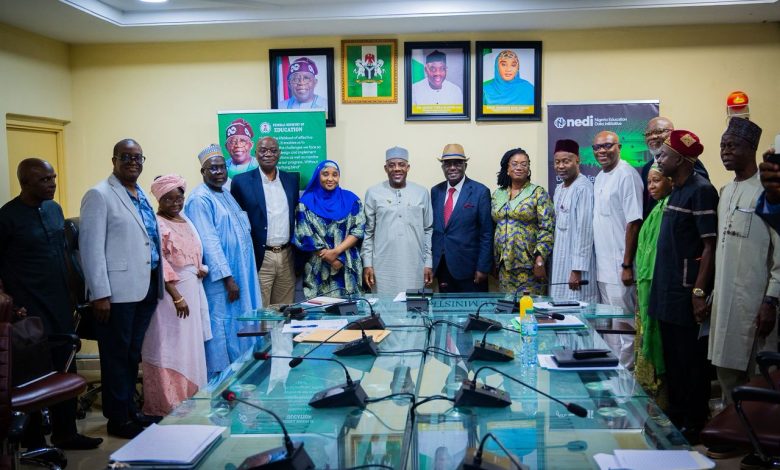
The federal government has expanded Nigeria’s national tertiary education ranking framework to cover universities, polytechnics and colleges of education, with participation now compulsory for all tertiary institutions.
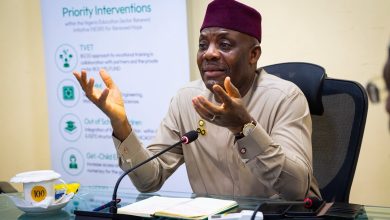
Tunji Alausa, minister of education, announced the development on Tuesday in Abuja during a meeting with the Nigerian universities ranking advisory committee (NURAC).
According to the minister, the committee will now be known as the Nigerian tertiary education ranking advisory committee, following the expansion of its mandate.
Alausa said the initiative is part of President Bola Tinubu’s education reforms under the Renewed Hope Agenda, being implemented through the Nigeria education sector renewal initiative (NESRI).
He said the ranking framework would strengthen quality, accountability, institutional performance and global competitiveness across Nigeria’s tertiary education system.
According to the minister, the ranking will provide institutions with clear benchmarks for assessing their performance, identifying areas that require improvement and measuring their progress.
He said the exercise would also promote healthy competition and continuous improvement among tertiary institutions.
Alausa announced that the 2026/2027 ranking exercise for universities will commence in September, while the committee will determine the appropriate timeline for extending the exercise to polytechnics and colleges of education.
He added that the federal government would provide funding for the exercise through the Tertiary Education Trust Fund (TETFund).
The minister said the government would also develop guidelines to institutionalise the ranking and formally communicate to vice-chancellors and heads of other tertiary institutions that participation is compulsory.
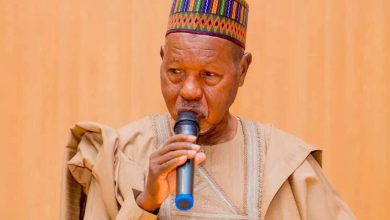
Speaking earlier, Suwaiba Sa’id Ahmad, minister of state for education, described the initiative as a significant step towards strengthening accountability and quality across Nigeria’s tertiary education system.
She said healthy competition would encourage institutions to assess their performance, address identified gaps and consistently improve the quality of education they provide.
Ahmad stressed that the ranking should cover both public and private institutions, saying it would provide a mechanism for establishing and maintaining minimum standards across the sector.
She assured the committee of the ministry’s support, adding that the exercise would help institutions understand their strengths and weaknesses and drive measurable improvements as the tertiary education system expands.
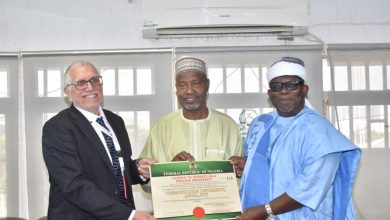
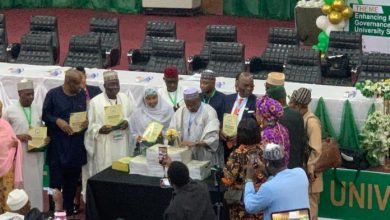
Peter Okebukola, chairman of NURAC and former executive secretary of the National Universities Commission (NUC), said the committee’s engagement with the minister followed a memorandum congratulating the Tinubu administration over the increasing number of Nigerian universities gaining global recognition.
Okebukola said the committee had also urged greater investment in university education to accelerate the progress.
He said Alausa’s response went beyond the committee’s initial proposal, leading to the expansion of NURAC’s mandate to include polytechnics and colleges of education.
He expressed optimism that sustained investment, stronger institutional capacity and the new national ranking framework would enable more Nigerian institutions to make significant progress in international rankings.
The former NUC executive secretary said the initiative would also help Nigerian institutions compete more confidently with leading universities globally.
Alausa, in his remarks, pledged the ministry’s commitment to providing the policy direction, funding and capacity-building support required to make the ranking exercise credible, sustainable and impactful.
He said the ministry would work with the committee to facilitate in-service training and institutional capacity-building programmes across tertiary institutions.
The minister expressed the expectation that significantly more Nigerian institutions would achieve greater global recognition in subsequent international ranking exercises.