Tinubu’s education scorecard must reach polling units, wards, LGAs, says Hadiza Bala Usman

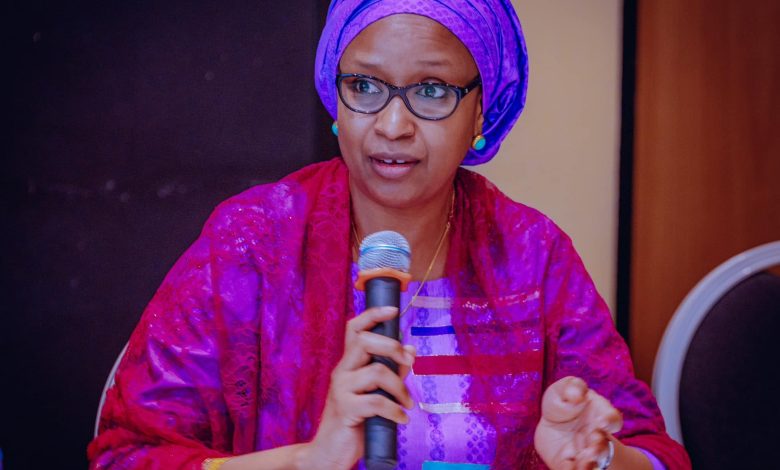
Hadiza Bala Usman, special adviser to President Bola Tinubu on policy and coordination, has urged members of the All Progressives Congress (APC) presidential campaign council to take the administration’s education scorecard to polling units, wards and local government areas ahead of the 2027 elections.
Bala Usman spoke on Monday at the unveiling of the renewed hope education A-Z scorecard at the APC Presidential Campaign Council headquarters in Abuja.
She said the campaign council had a responsibility to ensure Nigerians understood the administration’s record, the progress made in the education sector and its plans for the future.
“During this campaign season, the takeaways from this event need to be cascaded down to the grassroots level, across polling units, wards and local government areas,” she said.
Bala Usman, who is also head of the central results delivery coordination unit (CRDCU) and assistant secretary of the APC campaign council, said the scorecard would provide an opportunity to communicate the administration’s performance and account for its commitments to Nigerians.
She said the document would enable citizens and other stakeholders to understand the policies being implemented, the resources invested and the progress recorded in the education sector.
According to her, education occupies a central position in Tinubu’s eight presidential priority areas because of its importance to human capital development and the country’s long-term prosperity.
She listed the Nigeria Education Sector Renewal Initiative, the DOTS framework, the Nigeria Education Loan Fund (NELFUND) and investments in technical and vocational education among the initiatives supporting the administration’s education agenda.
Bala Usman said the interventions were aimed at improving education data, addressing the number of out-of-school children, developing teachers, expanding access to tertiary education and linking learning to employment.
She said the impact of government policies should be measured by outcomes such as children returning to school, girls completing their education, students accessing university education despite financial constraints and young people acquiring skills to secure jobs or establish businesses.
“The education A-Z scorecard must therefore serve not merely as a record of achievements, but as an instrument of transparency, public engagement and accountability,” she said.
Bala Usman said the next phase of the Renewed Hope Agenda would focus on continuity, consolidation and expanding interventions that were recording results.
She added that the campaign council’s engagement with Nigerians should be based on evidence and citizens’ experiences, while acknowledging that more work remained to be done.
“The story we tell must be one of both achievement and responsibility: achievement in the progress already recorded, and responsibility in recognising that there is still work to be done,” she said.
She commended Tunji Alausa, minister of education; Suwaiba Ahmad, minister of state for education; and officials of the ministry and its agencies for their work on the sector’s reforms.
Bala Usman also urged journalists to scrutinise the information in the scorecard and help communicate the government’s education policies and interventions to Nigerians.