UBEC pushes for sign language training in schools to promote inclusive education

The Universal Basic Education Commission (UBEC) has called for the integration of sign language training in schools to reaffirm the federal government’s commitment to inclusive education.
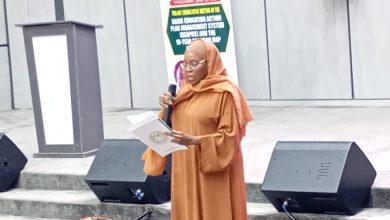
Aisha Garba, UBEC’s executive secretary, spoke in Abuja on Thursday during the commemoration of the 2025 International Day of the Girl-Child, themed “Lead a change: Learn sign language today.”
Garba described the celebration as an opportunity to renew national commitment to ensuring that every girl — regardless of ability — is seen, heard, and empowered to lead change.
She said the renewed hope agenda of the federal government continues to prioritise the education and empowerment of girls, citing the migration of the LUMINAH Project to UBEC as a testament to collaborative efforts toward inclusive learning.
Highlighting the commission’s initiatives, Garba revealed that UBEC had adopted a policy to institutionalise the teaching and learning of sign language across all basic education schools in Nigeria.
“Imagine a country where hospitals, banks, supermarkets, airports, and schools have sign language interpreters — a system without communication barriers for our hearing-impaired children,” she said.
“That is the vision we are working towards, one school, one change at a time.”
The executive secretary added that UBEC’s school policy now mandates accessibility features such as ramps to ensure that children with physical disabilities can move with dignity and ease.
According to her, the commission is also investing in teacher training and digital learning tools tailored to the needs of children with special needs, in collaboration with the National Primary Health Care Development Agency (NPHCDA).
Garba reiterated UBEC’s stance on child safety, announcing stricter enforcement against bullying in all basic education schools. She said child protection mechanisms were being strengthened to ensure schools remain safe spaces for learning and personal growth.
“No girl should suffer in silence or face abuse — especially one with reduced ability to cry out,” she stated.
Suwaiba Ahmad, the minister of state for education, commended UBEC for expanding inclusive learning programmes and ensuring that all Nigerian children have access to free, compulsory, and quality basic education.
Ahmad urged stakeholders to remove barriers to learning and ensure that every girl has a voice and equal opportunity to thrive. She also emphasised the importance of sign language as a tool for bridging communication gaps in classrooms nationwide.
“Sign language is a bridge, not a barrier. It connects minds, shapes friendships, and unlocks futures,” she said.
“We must train more interpreters, integrate sign language into teacher training curricula, and equip classrooms for visual-gestural communication.
“When a student can express themselves and be understood, classrooms become laboratories of confidence, collaboration, and creativity.”
The minister further called for policy alignment, coordinated funding, and synchronised programmes across all levels of government to ensure girls — especially those with disabilities — can move seamlessly from primary education to higher learning and vocational opportunities.
She acknowledged the persistent challenges many girls still face, including poverty, stigma, and safety concerns, while urging sustained collective efforts to dismantle these barriers.
“While progress has been made, many girls still face obstacles,” she said.