Returning to Nigeria after 47 years, Texas-based Moyo Okediji says Abuja rivals the world’s celebrated cities

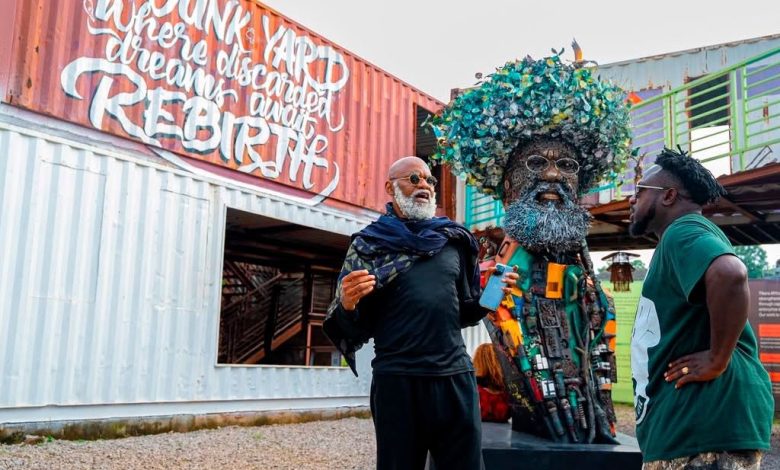
Moyo Okediji, a Nigerian academic and art historian based in Austin, Texas, has praised Abuja’s transformation, describing Nigeria’s capital as one of Africa’s finest cities and a model for urban development across the country.
Okediji, who recently visited Nigeria, said he was struck by the city’s orderliness, modern infrastructure and disciplined policing, noting that his last visit to Abuja was in 1979 when the city was still largely at the planning stage.
In remarks shared on his Facebook page, he said the difference between then and now was remarkable.
“The last time I was there was in 1979 when Abuja was still mostly a dream, and there was nothing there,” he said.
According to him, Abuja’s roads, streetlights, flyover bridges and well-maintained environment compare favourably with those of developed countries.
“The streets of Abuja are like the streets of any developed country: tidy, streetlights, flyover bridges, no potholes, aesthetically invested,” he said.
Okediji also commended the conduct of police officers in the Federal Capital Territory (FCT), saying he did not witness the roadside extortion commonly associated with policing in some parts of Nigeria.
“The police in Abuja don’t demand bribes from drivers. They keep the traffic moving fluidly,” he said, adding that conversations with taxi drivers reinforced his impression that officers in the city generally refrain from harassing motorists.
He speculated that the presence of senior government officials, who may travel without official convoys, could contribute to greater professionalism among officers.
The academic also praised the experience at the Ibadan Airport, describing security procedures and operational efficiency as exceeding his expectations.
“I flew from Ibadan airport, also looking as good as any provincial airport in the United States, without the tension associated with flying in the US. The security at the Ibadan airport was remarkable. The efficiency was astonishing, well beyond my expectation of what was possible in Nigeria,” he said.
Although he initially described Abuja as “more beautiful than any city in the world,” Okediji later qualified the statement, saying he was exaggerating and that the city is “as beautiful as any celebrated city in the world.”
He attributed Abuja’s appeal to its natural landscape, moderate climate and extensive green spaces.
“What makes Abuja more beautiful than any city I have visited immediately occurred to me: it is a garden in full bloom,” he said, adding that the city’s hills serve as natural monuments that enhance its scenery.
Despite his admiration for the capital, Okediji expressed concern that the challenges affecting other major Nigerian cities could eventually spread to Abuja if not properly managed.
He argued that the country’s urban landscape could be transformed within a decade if corruption and the looting of public funds were effectively tackled.
“The discipline and aesthetics of Abuja should be extended to the whole of Nigeria. It wouldn’t take much beyond dedication and commitment to rebuild the land,” he said.
Okediji, however, stressed that infrastructure alone would not guarantee national development.
According to him, government must also invest in restoring public confidence and improving citizens’ wellbeing, particularly as many Nigerians continue to grapple with high inflation and economic hardship.
“It would take an investment in the psyche of Nigerians—not just an investment in the infrastructure of the country,” he said.
Reflecting on his visit, he said Abuja appeared to inspire a renewed sense of order and civic responsibility among residents, citing the orderly queues he observed at the Amala Sky Restaurant.
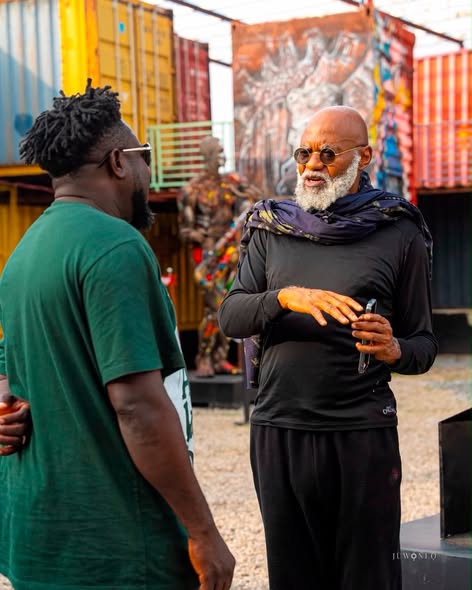
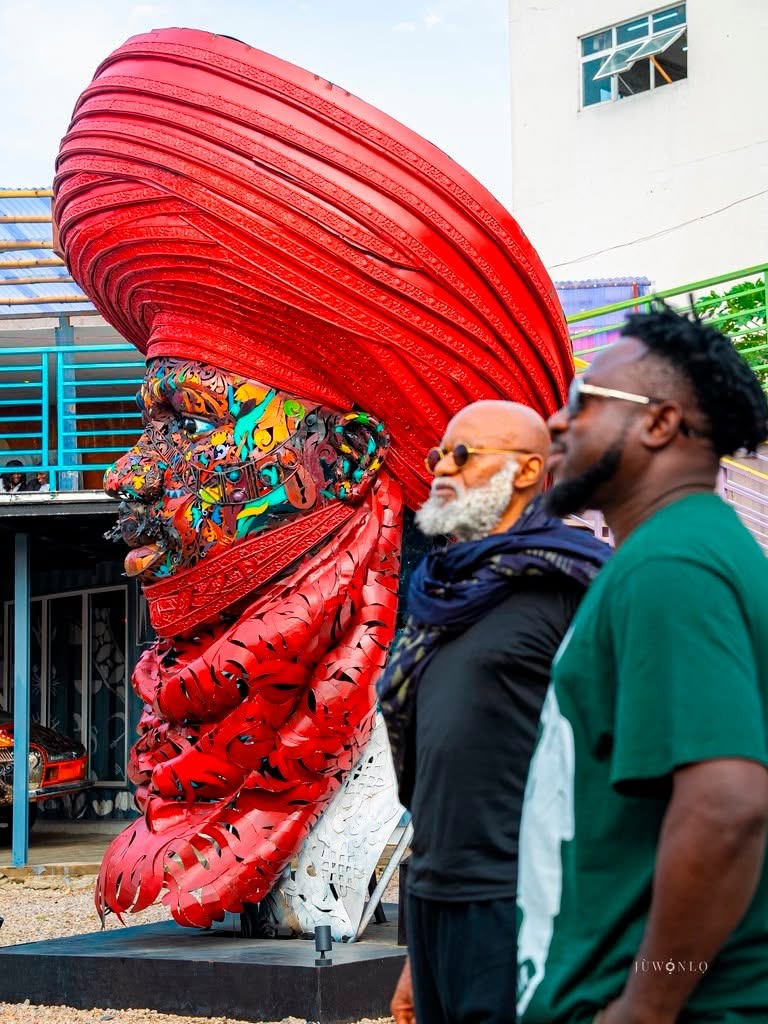
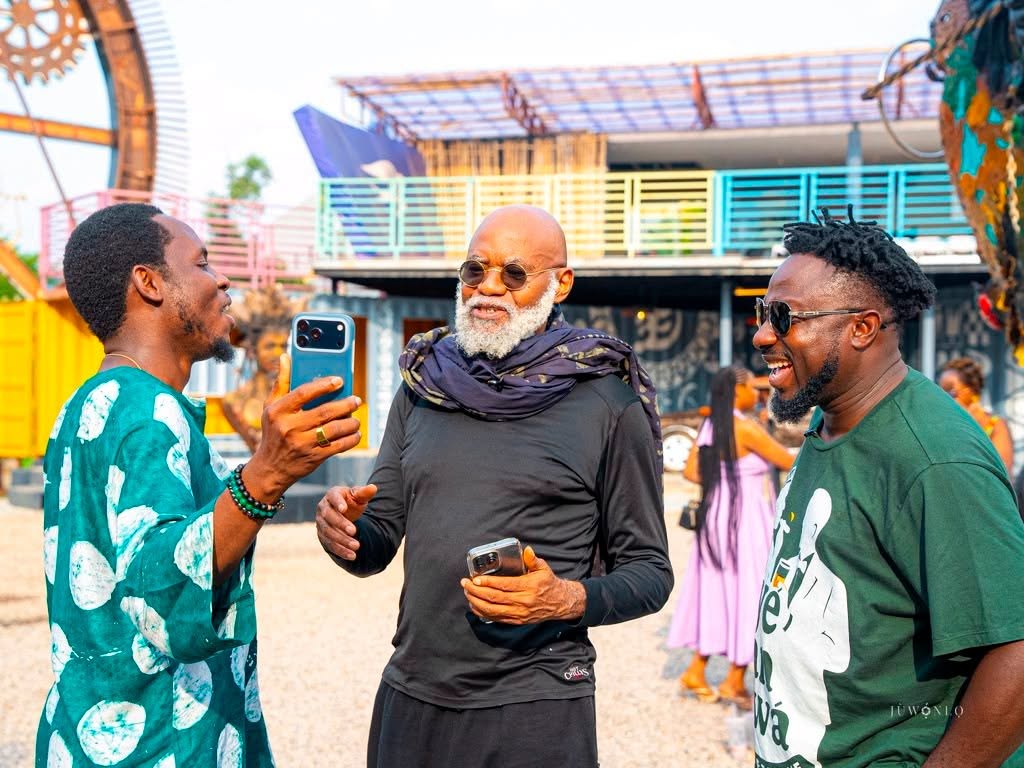
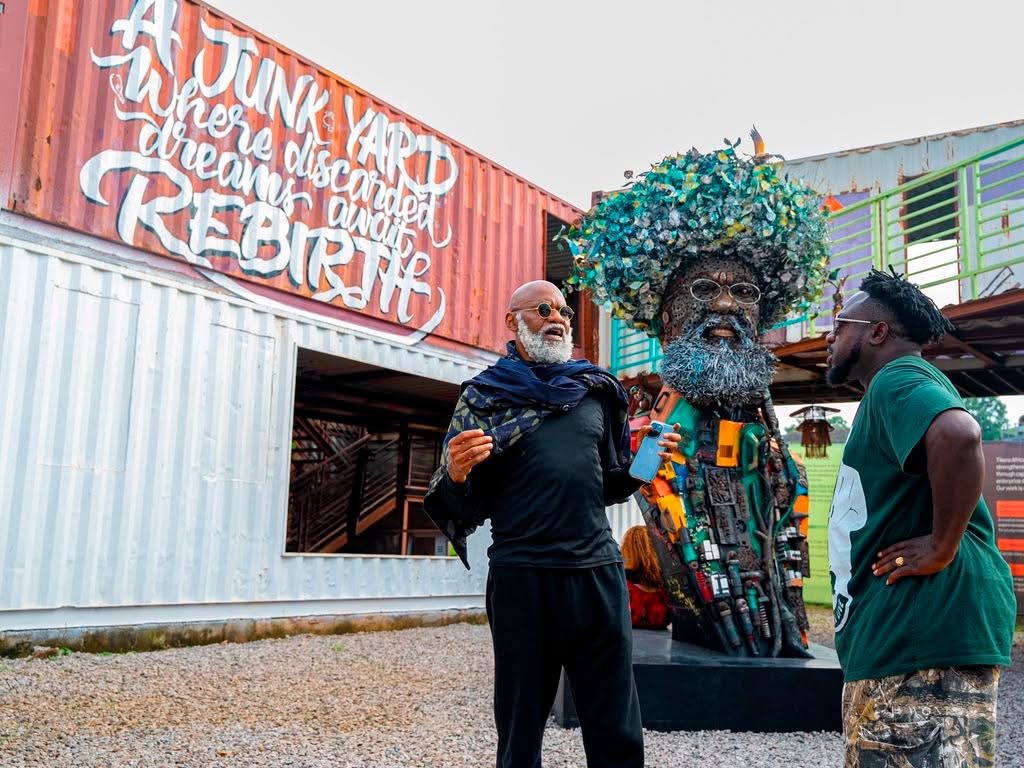
Okediji said his trip to Abuja was facilitated by renowned Nigerian sculptor Dotun Popoola, who hosted him at his ongoing exhibition in one of the city’s designated green zones.