Presidency: Jonathan free to contest 2027 election, but Nigerians won’t forget his failures

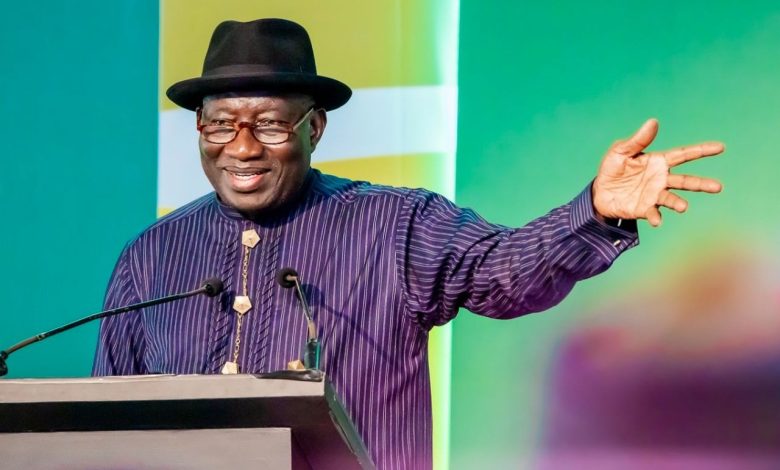
The presidency says former President Goodluck Jonathan is free to run in the 2027 presidential election but insists Nigerians will not forget what it described as his “dismal record in office.”
In a statement issued on Monday, Bayo Onanuga, special adviser to President Bola Tinubu on information and strategy, said the former president’s reported interest in the 2027 race—following calls by former information minister Jerry Gana—would face both legal and political tests.
“President Jonathan reserves the right to run if he wishes. It is his inalienable right to contest the presidency again. President Tinubu will wholeheartedly welcome him if he decides to enter the race. But Jonathan will have his date in the court of the land,” the statement reads.
Onanuga argued that Jonathan, who was sworn in twice as president, would have to satisfy constitutional requirements for a potential third term and also convince Nigerians he has “anything new to offer after his disastrous six years, for which they voted him out in 2015.”
The presidency accused Jonathan’s administration of economic mismanagement, alleging that foreign reserves fell from $46 billion in 2010 to below $30 billion by 2015 despite record oil revenues. It also cited widespread corruption and the depletion of the Excess Crude Account from $20 billion to $2 billion.
Onanuga contrasted this with what he described as “bold reforms” by Tinubu, including the removal of fuel subsidy and unification of exchange rates, claiming the economy has “turned the corner” with GDP growth of 4.23 percent in Q2 2025 and inflation dropping to 20.12 percent in August.
“Jonathan and others are welcome to the 2027 race. They broke the economy before, but millions of Nigerians who will not easily forget the recent past will not allow them to return to run it down again,” the statement added.
The comments follow reports that Gana and other PDP leaders are courting Jonathan to challenge Tinubu in 2027. Jonathan, who led Nigeria from 2010 to 2015, is yet to publicly declare his intention.