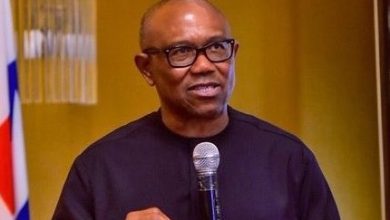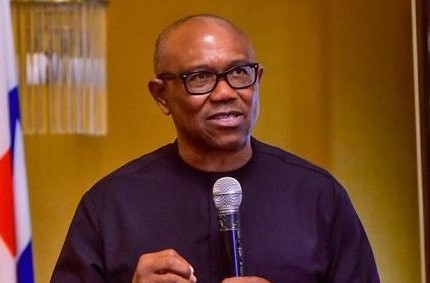
Peter Obi, the former presidential candidate of the Labour Party (LB), says the visit of President Bola Tinubu to Benue state lacked compassion and fails to reflect the gravity of the tragic loss of lives.
In a post shared on his X handle on Thursday, Obi expressed disappointment over the president’s conduct during the visit, adding that it resembled a political rally rather than a condolence trip to a grieving community.
“We pleaded that the President should show leadership and visit Benue and Niger states in the spirit of deep national mourning, to offer compassion and solidarity to families torn apart by the senseless massacre of over 200 innocent Nigerians in Benue State and flooding that killed a similar number in Niger State,” the statement reads.
“But what we saw in Benue visit was instead of a solemn, reflective visit, a display that would have been more befitting for the commissioning of reconstructed Enugu-Makurdi highway, a critical road connecting South and Northern Nigeria which had become impassable for years.
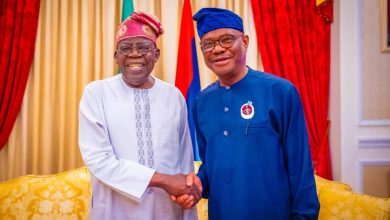
“The President arrived not in mourning cloth but in celebratory agbada attire, like it was an occasion for joy. Even more heartbreaking is the role of the State. Rather than been in mourning mood and weeping declared a public holiday, not for reflection or prayer, but to organize fanfare.
“Schools were shut down. Children who should be mourning their slaughtered classmates, and parents were instead lined up under the rain, rehearsed to sing and dance for the President. In what kind of country does this happen?
“We have tragically arrived at a point where condolence visits have become carnivals. A time that should be marked by silence and solemnity is now polluted by banners, music, and rehearsed spectacles. Precious Nigerian lives have been lost, yet we’re clapping, singing, and organizing processions, as though this were a campaign rally. This is not how any compassionate nation behaves.
“The energy, resources, and logistics poured into this charade could have gone into food supplies, temporary shelters, medical aid, school support, and trauma counselling for grieving families. Instead, we chose optics over empathy.
“Look elsewhere: When President Ramaphosa visited Mthatha after the floods in South Africa, there were no drums. No staged crowds. No rented cheers. Just presence, silence, and action. When Prime Minister Modi went to the site of a crash, no one lined up to welcome him.
“He came, he mourned, he acted. That is what leadership looks like in moments of pain. We must ask ourselves: What kind of people have we become?
“Enough of this culture of impunity. We are not at war yet our nation is bleeding, and we are clapping. It is not only insensitive, it is dangerous.
“Let us not forget: These were human beings, children, mothers, fathers whose blood cries out for justice. When very sad incidents like this turns to campaign or festival, our Nation Losing Its Soul.”