UBEC mobilises over N100bn in unaccessed grants to boost basic education infrastructure

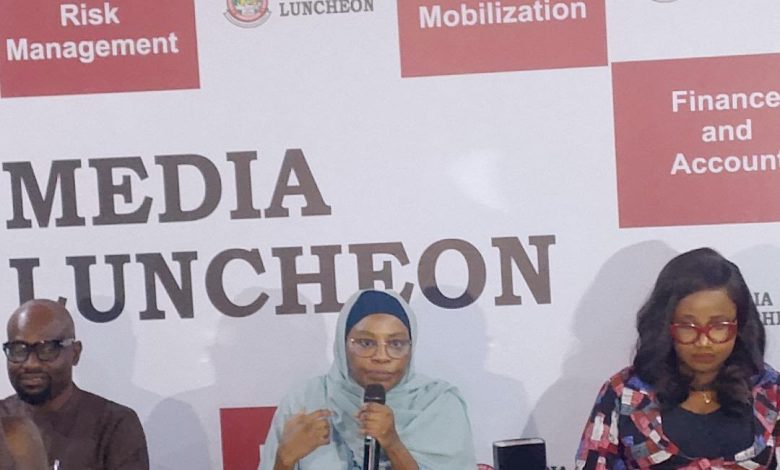
Aisha Garba, executive secretary of the Universal Basic Education Commission (UBEC), says the agency has facilitated the mobilisation of more than N100 billion in previously unaccessed matching grants by state governments and the Federal Capital Territory (FCT) to improve basic education infrastructure and services across the country.
Garba spoke on Thursday in Abuja during a media luncheon with education correspondents, where she highlighted the commission’s achievements under its 2025–2031 strategic blueprint.
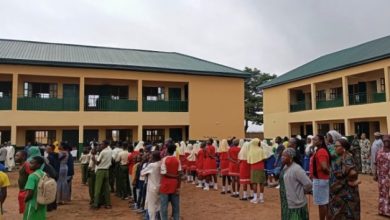
According to her, the recovered funds are being deployed to improve learning environments through the construction and rehabilitation of schools, provision of learning facilities and expansion of access to quality basic education.
She said UBEC, in collaboration with state universal basic education boards (SUBEBs), has constructed more than 4,600 classrooms and renovated over 6,100 others nationwide.
Garba said the commission has also provided 2,780 toilet facilities, drilled 678 boreholes and supplied more than 334,000 pieces of school furniture to public schools.
She added that UBEC has supported the establishment of more than 2,300 early childhood care development and education (ECCDE) centres to strengthen foundational learning for young children.
N20.4BN INVESTED IN TEACHER DEVELOPMENT
The UBEC boss said the commission has invested over N20.4 billion in teacher professional development programmes aimed at improving classroom instruction, strengthening school leadership and enhancing accountability through the effective schools programme and school-based management committees.
She added that the commission is accelerating digital transformation in basic education by expanding digital literacy centres, strengthening Smart Schools and promoting the teaching of artificial intelligence (AI), coding and robotics.
According to her, the initiatives are designed to equip learners with the skills required in a technology-driven economy.
Garba also disclosed that UBEC has distributed more than 7.8 million instructional materials to schools across the country to improve literacy, numeracy and foundational learning outcomes.
She said the commission is expanding access to education through programmes such as Open Schooling, Integrated Qur’anic and Tsangaya Education, girl-child education and inclusive education initiatives.
She added that UBEC is strengthening collaboration with state governments, development partners and the private sector to improve education delivery.
The executive secretary said the commission has introduced institutional reforms to improve transparency, strengthen project monitoring and promote data-driven decision-making to ensure greater value for public investment in education.
Garba described the media as a critical stakeholder in advancing basic education reforms and urged journalists to sustain balanced, factual and constructive reporting.
She reaffirmed UBEC’s commitment to ensuring that every Nigerian child, regardless of background or location, has access to safe, inclusive, equitable and quality basic education.
According to her, achieving lasting transformation in the sector requires the collective efforts of governments, communities, parents, teachers, development partners and the media.