‘Fashion must tell our story’ — we’ll use British Council space initiative to showcase Nigerian cultural themes, says Jacket King

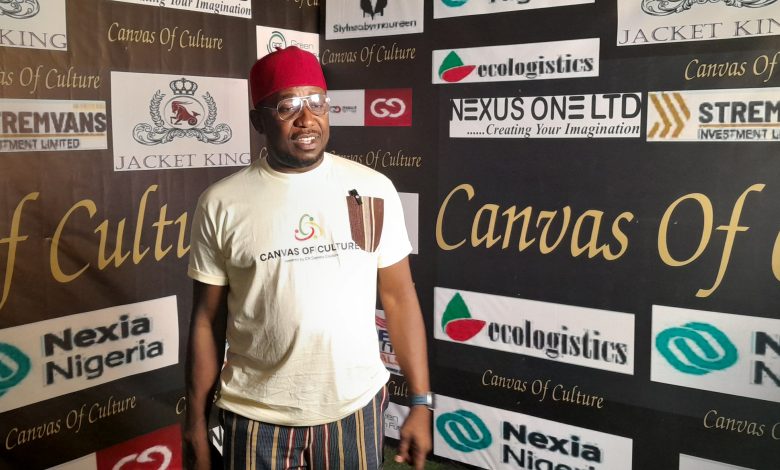
Nnamdi Daniels, popularly known as Jacket King, is the chief executive officer (CEO) of CNDaniels Couture, one of Abuja’s foremost fashion houses. In this interview, he speaks about the brand’s growth and challenges over the past decade, as well as plans to showcase Nigerian cultural themes through the British Council’s forthcoming ‘use of space initiative’ in Abuja, Lagos, and Port Harcourt.
THE TIMES OF ABUJA: Can you tell us what the journey has been like for CNDaniels Couture so far?
It’s been good—very good. We’ve grown steadily and come into our own. Over time, we’ve collaborated widely, worked with different creatives, and built strong relationships that have helped the brand evolve into what it is today.
THE TIMES OF ABUJA: What economic or social impact does this year’s event have on Abuja’s creative and business ecosystem?
This year’s event is quite significant and very different from what we usually do. Unlike our regular end-of-year fashion shows, this one is special because it is tied to the British Council showcase programme scheduled for March 2026.
We applied for the British Council’s Use of Space initiative in Abuja, Lagos, and Port Harcourt. After reviewing our proposal, they approved it. This event is essentially a mock showcase—preparing us for the main exhibition next year.
THE TIMES OF ABUJA: How is this showcase different from conventional fashion shows?
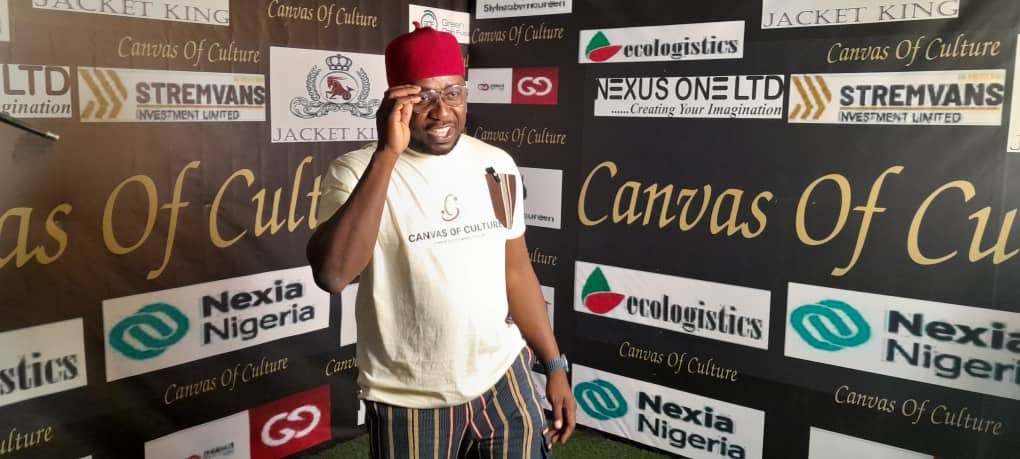
This is not a regular fashion show. It’s cultural storytelling through fashion. We are going deep into Nigerian culture—using fashion to explain things many Nigerians no longer know about their heritage.
People are forgetting what our indigenous fabrics look like and what they represent. Today, fashion has become overly westernised. With this event—GLAMTRAT—we want people to wear outfits they can explain. If I ask you what fabric you’re wearing, you should be able to say where it’s from, how it’s made, and what it represents.
THE TIMES OF ABUJA: What themes are you showcasing across the different cities?
In Abuja, we are showcasing northern cultural themes, including knot-hand wedding attire. In Lagos, we’re exploring cross-continental influences—Europe meeting African heritage. We’re also showcasing Calabari, Ijaw, and Kano-inspired collections.
Each piece tells a story. Nigerian fabrics are rich, detailed, and beautiful, but many people no longer understand the work and history behind them.
THE TIMES OF ABUJA: Are you also exploring sustainability in fashion?

Absolutely. We’re introducing a recycling line. One of our clients creates garments from recycled fabrics, blending sustainability with creativity. This is part of how we’re redefining Nigerian fashion for global relevance.
THE TIMES OF ABUJA: Would it be correct to say this project promotes traditional Nigerian outfits internationally?
Yes, very correct. Beyond promotion, we’re trying to make Nigerian fabrics economically viable. We want weavers, bead makers, and local artisans to benefit financially and gain global recognition.
This isn’t just about fashion—it’s about job creation, economic inclusion, and preserving cultural identity.
THE TIMES OF ABUJA: Are you partnering with government agencies or international bodies?
Currently, we don’t have direct partnerships with Nigerian government agencies. However, the British Council has been extremely supportive. They consistently organise programmes for creatives across Nigeria, and their impact in the creative sector is undeniable.
THE TIMES OF ABUJA: What are your biggest revenue or operational challenges?
Finding and retaining skilled staff is a major challenge. Power supply is another significant issue. Import restrictions also affect us because some materials are not produced locally in sufficient quantity.
That said, we still pay taxes, employ Nigerians, buy local fabrics, and run a training programme where we train and absorb young talents into the industry.
THE TIMES OF ABUJA: How many people do you currently train and employ?
We currently train over 60 people. Everything we’ve built is organic—we started from scratch and grew steadily through discipline and consistency.
THE TIMES OF ABUJA: What impact do you expect this project to have on Nigerian culture?
A major impact. For instance, we’re reviving ancient Nigerian writing systems—what many people don’t know is that different parts of Nigeria had unique forms of writing long before colonialism.
We’re incorporating these symbols into fabrics and designs. This kind of cultural expression can sell globally because it’s unique to us.
THE TIMES OF ABUJA: Are grassroots artisans part of this vision?
Very much so. Nigeria no longer has functional textile factories, but we still have local artisans weaving, dyeing, and crafting fabrics traditionally.
We are documenting their processes and producing documentaries that explain why certain fabrics are worn, what they symbolise, and their cultural relevance. This helps both education and international appreciation.
THE TIMES OF ABUJA: Do you think policy reforms are needed in the textile sector?
Definitely. Current textile import policies need review. Many fabrics classified as contraband are everywhere in the market anyway. Criminals profit more than the government.
If duties are properly structured, the government earns revenue, creatives get materials legally, and Nigerians can afford quality fabrics.
THE TIMES OF ABUJA: How long has CNDaniels Couture been operating in Abuja?
We’ve been in Abuja since 2013—it marks about a decade of consistent work. What we’re doing now is a showcase of that journey, and everything on display is made in Nigeria—from fabric to execution.