The Foundation for Partnership Initiatives in the Niger Delta (PIND) has brought together regulators, oil and gas companies, host community development trusts (HCDTs) and civil society organisations to strengthen reforms in host-community governance and implementation of the Petroleum Industry Act (PIA).
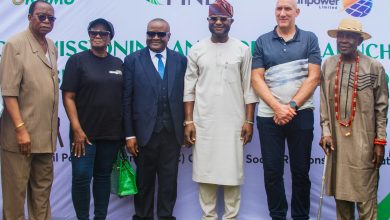
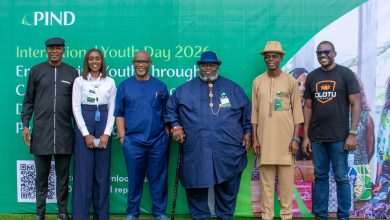
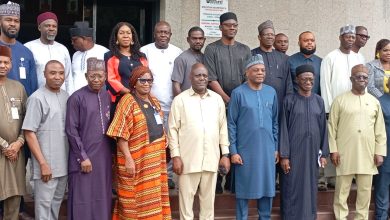
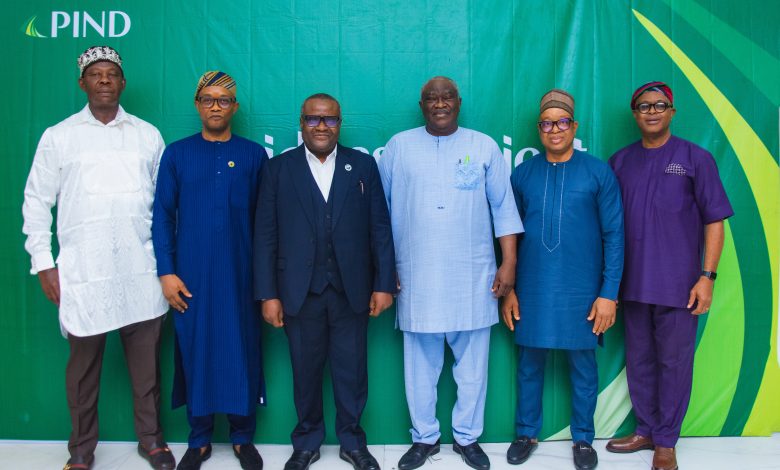
The stakeholders met at PIND’s Bridges project HCDT impact summit in Port Harcourt, the Rivers state capital, held under the theme, “From evidence to sustainability: Consolidating HCDT gains and advancing effective PIA implementation.”
The summit reviewed evidence from the Bridges project, examined persistent institutional challenges and outlined responsibilities for sustaining successful practices beyond the project’s closure.
Rather than a ceremonial close-out, participants focused on what had changed, lessons learned and the next steps for strengthening HCDTs.
They reviewed findings from outcome harvesting, the HCDT impact evidence report, case studies and other project knowledge products before taking part in a sustainability clinic on governance, performance tracking, peer learning, stakeholder coordination and capacity building.
Effiong Essien, PIND’s programmes director, said the success of the project would ultimately depend on whether its gains outlasted the project cycle.
“The progress made by HCDTs must translate into stronger institutions, better community participation and more accountable development,” Essien said.
He said stakeholders must take ownership of the tools, relationships and practices developed through the project and commit the resources and leadership needed to sustain them.
PIND said the Bridges Project had supported HCDT operationalisation, participatory planning, improved governance and collaboration among communities, regulators, settlors and civil society organisations (CSOs) through awareness-raising, capacity building and multi-stakeholder platforms.
Selected HCDTs presented evidence of changes achieved at community level, as well as challenges that remain.
Smart Okpara, chairman of Emuoha HCDT, said the project had improved the Trust’s capacity to plan, engage stakeholders and account for development results.
“Bridges has given us practical tools to improve our governance, involve our communities in decision-making and track the results of our development investments,” he said.
Okpara said the Trust’s responsibility was now to continue using the systems developed under the project to sustain the gains.
The Nigerian Upstream Petroleum Regulatory Commission (NUPRC), settlors and CSOs also shared lessons and priorities for improving PIA implementation.
Kingsley Ehiaguina, deputy director at NUPRC, who represented the commission, said evidence from the project could help improve HCDT performance and compliance.
“Effective implementation of the PIA requires HCDTs that are transparent, accountable and responsive to their host communities,” he said.
Ehiaguina said the lessons from the Bridges Project could help improve practices, strengthen stakeholder coordination and sustain compliance.
The summit produced a sustainability framework proposing responsibilities for continued governance strengthening, monitoring and evaluation, peer learning, knowledge management, capacity development and stakeholder coordination.
Participants also validated a communiqué outlining priority recommendations, commitments, responsible actors and next steps.
PIND said it would consolidate the commitments into an action tracker, circulate the final communiqué and summit report, and share the project’s evidence and knowledge products with participating institutions.
The validated lessons will also feed into the Bridges Project’s final impact narrative and future support for HCDTs.